Smooth Walls, Consistent Color, and a Finish That Actually Sticks Around
Walls are what people see first when they walk into a room. The color, the sheen, the way the light hits the surface — all of it registers immediately. A wall paint job that's done well disappears into the background in the best possible way. One that's rushed or cut short stands out for all the wrong reasons: thin coverage, streaky roller marks, paint that peeled away from the trim six months later.
Dillinger Painting handles residential wall painting for homeowners across Mt. Carmel, Princeton, Vincennes, and the surrounding tri-state area. Every project starts with proper surface preparation — not just a quick wipe and a roll. You get consistent color, clean edges, and a durable finish built to hold up through daily life, backed by a 2-year workmanship warranty and a satisfaction guarantee that doesn't close until you've walked the room and approved the result.
The crew that shows up to your home respects it. Floors and furniture are protected before the first brush comes out. The job site stays organized throughout. And the finish coat isn't applied until the prep work earns it.


WALL PAINTING RESULTS THAT HOLD UP — AND LOOK THE PART
Rolling paint onto a wall sounds simple. In practice, the difference between a wall paint job that looks sharp two years from now and one that starts showing its problems in two months comes down almost entirely to what happened before the roller came out.
At Dillinger Painting, wall painting projects follow a structured prep-first process that doesn't vary based on project size. That means filling nail holes and surface imperfections with the right compound, sanding those repairs smooth so they blend into the surrounding wall, and priming areas that need it before finish coats are applied. Skipping prep to save time is the most common reason wall paint peels, chips, or looks uneven — and it's not something this crew does.
Caulking is part of the process too. Gaps where the wall meets the trim, where drywall panels meet at inside corners, or where the wall surface has small cracks from normal settling all get addressed with paintable caulk before painting begins. That step is what separates a paint job that looks tight and intentional from one that looks like someone just rolled over whatever was already there.
Wall Painting FAQs
Two coats are standard on most wall painting projects, and for good reason. A single coat rarely achieves consistent, even coverage — especially on repaired surfaces, textured walls, or any situation where the new color differs significantly from what's already there. Dark colors going over a light base and light colors covering a dark one both require two full coats to cover properly. The surface gets evaluated during the estimate so the correct number of coats is built into the scope from the start, not decided on the fly once work begins.
Why Choose Us? More Than Paint—It’s About People, Trust, and Excellence
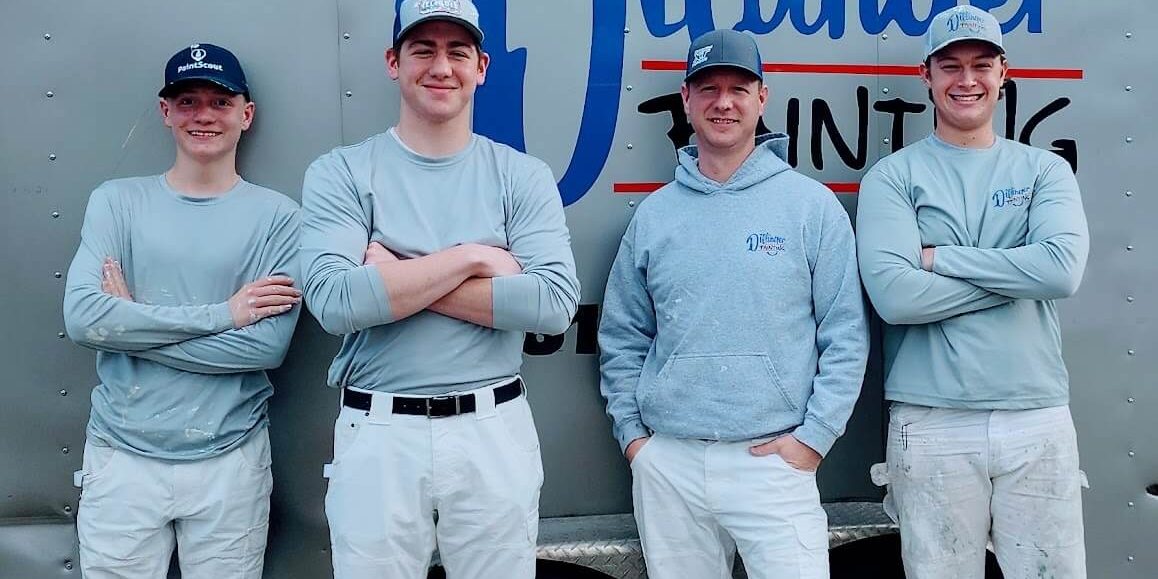
At Dillinger Painting, we believe a great paint job is only part of the story. What truly sets us apart is how we serve. From the first conversation to the final walkthrough, we’re committed to making your experience smooth, respectful, and deeply personal.
We treat your home like it’s our own—because to us, painting isn’t just about color on walls. It’s about creating comfort, protecting what matters, and building lasting relationships rooted in integrity, transparency, and care.
Our mission is simple: to deliver exceptional results and exceptional experiences. That means showing up on time, doing what we say, respecting your space, and finishing every project with craftsmanship you can count on—and people you’re glad to have in your home.

Ready to Refresh Your Home? Schedule Your Free Painting Estimate Today!
Take the first step toward transforming your home with Dillinger Painting’s trusted, professional services. Contact us today for your complimentary consultation and no-obligation estimate. Experience firsthand why homeowners across Evansville, Vincennes, and the entire Tri-State region choose Dillinger Painting for all their home painting and refinishing needs.