Exterior Wood Repair: What's Actually Going On and Why Paint Alone Won't Fix It
Wood rot gets ignored more often than it should. It starts small — a soft spot at the base of a trim board, a corner of fascia that sounds hollow when you knock on it, a section of siding that's darker than the rest and slightly spongy underfoot. Most homeowners either don't notice it until it's significant, or they notice it and assume a fresh coat of paint will hold things together. It won't. Paint over rotted wood seals moisture in rather than out, and the damage underneath continues spreading whether you can see it or not.
Exterior wood deteriorates for a predictable set of reasons. Failed caulk joints let water behind the surface. Paint that's lost its bond stops protecting the wood beneath it. Areas that don't dry properly between rain events — low on the siding, around window sills, at the base of trim boards near grade — stay damp long enough for rot to take hold. Once it starts, it moves. It doesn't stay in the spot you first find it. That's why identifying the full extent of the damage before any repair work begins matters as much as the repair itself.
The repair approach depends on what's actually there. Soft spots and surface deterioration that haven't compromised the structural integrity of the board can often be stabilized with a penetrating epoxy consolidant and filled with a two-part wood filler that machines, sands, and accepts paint like solid wood. Sections where the damage goes deeper — where the board has lost its structure or where rot has spread to adjacent surfaces — get cut out and replaced with new material. There's no cosmetic fix for wood that's structurally gone. The only right answer is to remove it, replace it, and prime and seal the new material properly before any finish coat goes on.


EXTERIOR WOOD REPAIR THAT ADDRESSES THE CAUSE, NOT JUST THE SYMPTOM
Paint hides a lot. What it doesn't hide is wood that moves, sags, or continues to deteriorate underneath a fresh coat. At Dillinger Painting, wood repair is part of the exterior process — not something handed off or skipped because it slows the job down. When the inspection phase reveals damaged wood, it gets addressed before anything else moves forward, because painting over a problem isn't a solution.
The repair process starts with identifying exactly what's there. That means pressing on surfaces, checking seams, looking at areas where water tends to collect or where caulk has failed and gone unaddressed. Soft wood gets probed to understand how deep the deterioration goes. What looks like a surface issue sometimes runs the length of a board. What looks extensive is sometimes limited to a small section that can be stabilized and filled without full replacement. The assessment determines the approach, and the approach determines how long the repair actually lasts.
For areas where the wood is still structurally sound, a penetrating epoxy consolidant is applied first — it soaks into the degraded fibers and hardens them from the inside, giving the filler something solid to bond to. A two-part epoxy filler is then shaped to match the surrounding profile, sanded smooth, and primed. Where the damage is too deep for stabilization, the board gets cut back to solid material and replaced. New wood goes in primed on all six sides before installation, because bare end grain is the fastest entry point for moisture and the most commonly skipped step in replacement work. After installation, joints get caulked, exposed areas get primed, and the repair is ready for finish paint alongside the rest of the exterior. The result isn't a patched exterior — it's a sound one.
Exterior Wood Repairing Painting FAQs
The signs are usually visible if you look closely — paint that's bubbling or peeling in the same spot repeatedly, wood that looks darker or more weathered than surrounding areas, or surfaces that feel soft or spongy when pressed. A screwdriver or probe pushed into suspect areas will confirm how deep the damage goes. When in doubt, a walk-around inspection before any exterior project is the right starting point.
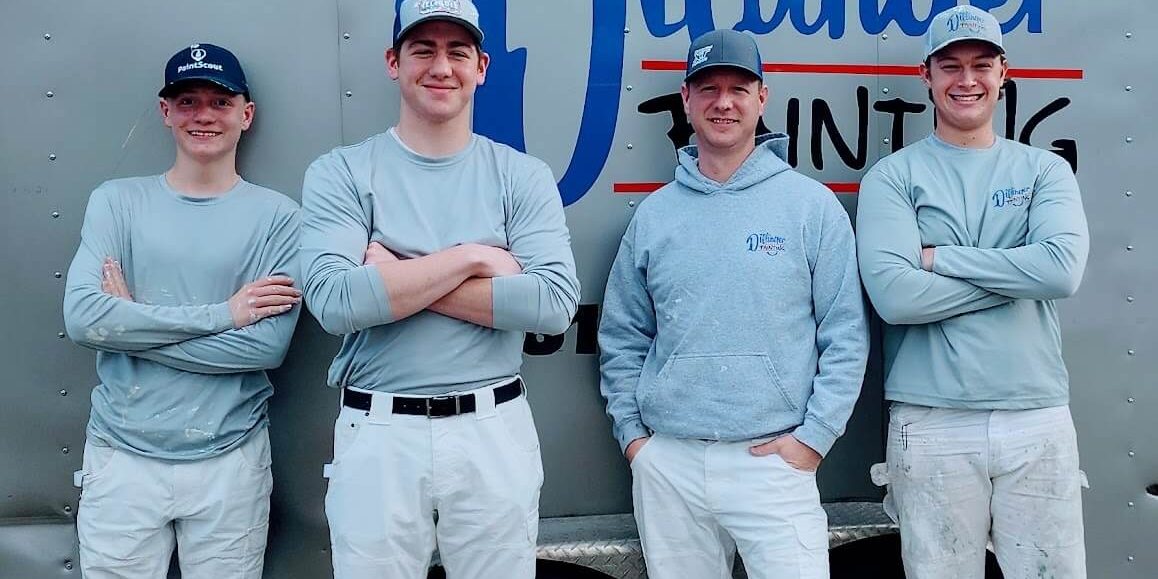
Why Choose Us? More Than Paint—It’s About People, Trust, and Excellence
At Dillinger Painting, we believe a great paint job is only part of the story. What truly sets us apart is how we serve. From the first conversation to the final walkthrough, we’re committed to making your experience smooth, respectful, and deeply personal.
We treat your home like it’s our own—because to us, painting isn’t just about color on walls. It’s about creating comfort, protecting what matters, and building lasting relationships rooted in integrity, transparency, and care.
Our mission is simple: to deliver exceptional results and exceptional experiences. That means showing up on time, doing what we say, respecting your space, and finishing every project with craftsmanship you can count on—and people you’re glad to have in your home.

Ready to Refresh Your Home? Schedule Your Free Painting Estimate Today!
Take the first step toward transforming your home with Dillinger Painting’s trusted, professional services. Contact us today for your complimentary consultation and no-obligation estimate. Experience firsthand why homeowners across Evansville, Vincennes, and the entire Tri-State region choose Dillinger Painting for all their home painting and refinishing needs.