Exterior Surface Preparation: What's Actually Happening Before the Paint Goes On
Preparation gets talked about constantly in the painting industry. It also gets skipped constantly. The reason most exterior paint jobs fail — peeling within a year or two, blistering along the trim, paint lifting at the edges — isn't the paint itself. It's what happened, or didn't happen, before the paint was applied. Proper surface preparation isn't a preliminary step. It's the foundation everything else is built on.
On an exterior, the surfaces a painter is working with have been through weather cycles, temperature swings, UV exposure, and in most Midwest homes, years of freeze-thaw damage. That history is visible if you look. Paint that's lifting at the edges. Caulk that's cracked and pulling away from window frames. Wood that's softened near the base of trim boards. Mildew sitting in the grain of siding. None of that can be painted over. Painting over it just seals the problem in until it forces its way back out — usually faster than anyone expected.
The preparation process starts with a thorough inspection of every surface before anything else is touched. That means looking at the siding, the trim, the soffits, the fascia, the areas around doors and windows, and anywhere two surfaces meet. What's there, what's failing, and what needs to be addressed before any coating goes on — that's what determines how the job is scoped and how long the work will actually last.


EXTERIOR SURFACE PREPARATION DONE RIGHT — BECAUSE THE PREP IS THE PAINT JOB
Most homeowners think the painting is the paint job. Experienced painters know the preparation is. A fresh coat of paint applied over a compromised surface doesn't fix anything — it delays the failure, and usually not for long. At Dillinger Painting, surface preparation is where the work starts and where the most time and attention go, because everything that happens after it is only as good as what's underneath.
The process begins with soft washing or pressure washing to remove dirt, mildew, chalking, and any paint that has already begun to fail. Mildew in particular has to be treated, not just rinsed — if it's left on the surface and painted over, it continues to grow underneath the new coating and breaks the bond from within. Once the surface is clean and fully dry, scraping begins. Any paint that isn't firmly adhered gets removed — not just the pieces already lifting, but anything that flexes, bubbles, or separates under pressure. Edges are then feather-sanded so there's no hard line between bare areas and intact paint, because those transitions will show through the topcoat if they're not smooth. Bare wood and any compromised areas get spot-primed or fully primed depending on scope — primer is what gives the finish coat something real to bond to and seals the wood against moisture before it's covered.
Caulking is handled as part of preparation, not as a finishing detail. Every joint and seam — where trim meets siding, where window frames meet the wall, where two surfaces come together at any angle — gets inspected. Cracked or shrunken caulk is removed and replaced with paintable caulk before any topcoat goes on. A failed caulk line is an open path for water, and water behind an exterior surface is what leads to wood rot, mold, and repairs that go well beyond painting. Do all of this correctly, and the result is a finish coat that bonds, holds up through seasons, and looks the way a professionally painted exterior should — not just on day one, but years later.
Exterior Surface Preparation FAQs
Because paint doesn't fix what's underneath it — it reveals it. Mildew, failing paint, cracked caulk, or compromised wood painted over will force its way back to the surface fast. Proper preparation removes those problems before the paint goes on, which is what separates a job that lasts two years from one that lasts ten.
Why Choose Us? More Than Paint—It’s About People, Trust, and Excellence
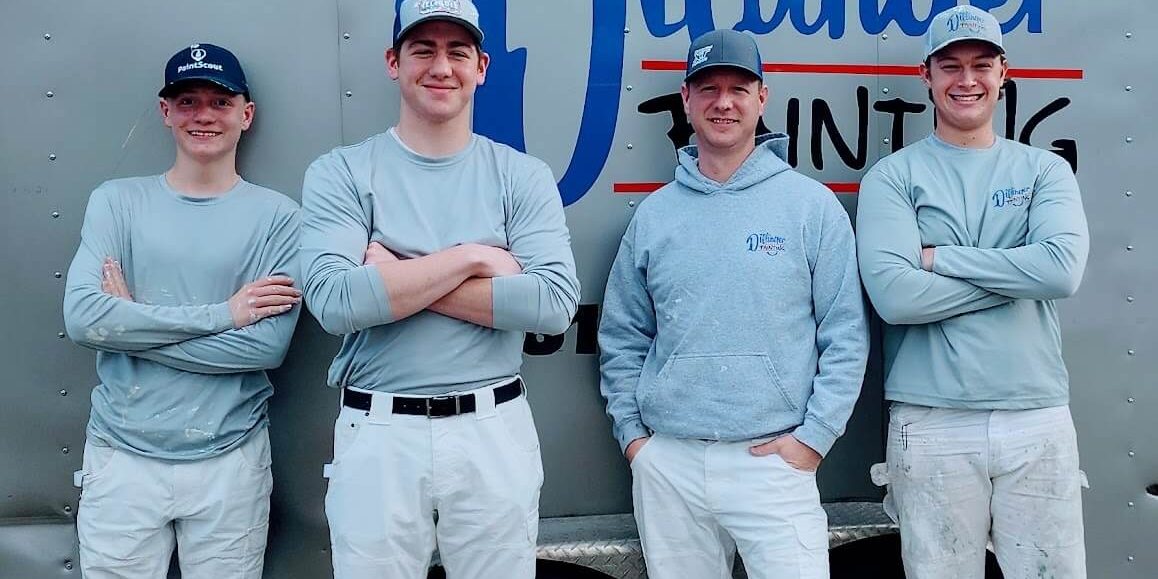
At Dillinger Painting, we believe a great paint job is only part of the story. What truly sets us apart is how we serve. From the first conversation to the final walkthrough, we’re committed to making your experience smooth, respectful, and deeply personal.
We treat your home like it’s our own—because to us, painting isn’t just about color on walls. It’s about creating comfort, protecting what matters, and building lasting relationships rooted in integrity, transparency, and care.
Our mission is simple: to deliver exceptional results and exceptional experiences. That means showing up on time, doing what we say, respecting your space, and finishing every project with craftsmanship you can count on—and people you’re glad to have in your home.

Ready to Refresh Your Home? Schedule Your Free Painting Estimate Today!
Take the first step toward transforming your home with Dillinger Painting’s trusted, professional services. Contact us today for your complimentary consultation and no-obligation estimate. Experience firsthand why homeowners across Evansville, Vincennes, and the entire Tri-State region choose Dillinger Painting for all their home painting and refinishing needs.