
Exterior Painting Mistakes Homeowners Make (and How to Avoid Them)
Why Exterior Painting Isn’t a Weekend Project
When it comes to home upgrades, painting the outside of your house might seem like a manageable DIY project. But in reality, many exterior painting mistakes stem from underestimating just how complex the process really is.
From skipping essential prep work to using the wrong type of paint, even small errors can lead to costly consequences, like peeling, fading, or moisture damage that shows up within months. Worse yet, these issues often mean doing the whole job over again.
In this blog, we’ll walk through the most common exterior painting pitfalls homeowners make, explain why they happen, and show you how professional painters avoid them from the start. If you’re considering refreshing your home’s curb appeal, this guide will help you make smart, informed decisions—without the headaches.
The Most Common Exterior Painting Mistakes
Even with the best intentions, many homeowners find themselves facing disappointing results after an exterior paint job. Let’s look at the most common mistakes people make—and why professional painters are trained to avoid them.
Skipping Proper Surface Prep
Prep work might not be the most exciting part of painting, but it’s the most important. Dirt, mildew, and loose paint can all prevent new paint from properly adhering to the surface. Without proper cleaning, scraping, sanding, and caulking, even the highest-quality paint won’t stick for long.
Neglecting this step leads to premature peeling, bubbling, and flaking—issues that can start showing up just weeks after the job is done. A smooth, lasting finish always starts with professional prep.
Using the Wrong Type of Paint or Finish
Exterior surfaces face everything from harsh sun to driving rain. Not all paints are created to withstand those conditions, and using the wrong type, like interior paint or a mismatched finish, can drastically shorten the life of the job.
Professionals know how to select the right paint for your specific siding material, local climate, and desired finish. That knowledge translates into better durability and long-term performance.
Painting in the Wrong Weather Conditions
Timing is everything in exterior painting. Paint needs time to dry and cure properly, and that process can be thrown off by humidity, rain, or extreme temperatures. Painting in the middle of a hot day or right before a storm is a common mistake that leads to streaking, cracking, or poor adhesion.
Professional crews monitor the forecast and plan their work around ideal weather windows. It’s one more way they ensure quality from the start.
Uneven Coverage and Visible Brush Marks
Uneven coverage, roller lines, and visible brush strokes often result from rushing the job or using low-quality tools. This can leave your home looking patchy or sloppy—especially when viewing it from the curb.
Experienced painters use commercial-grade equipment and apply paint with precision to deliver a consistent, clean finish that enhances your home’s overall appearance.
Safety Shortcuts
Painting the exterior of a home often involves ladders, scaffolding, and working at height, especially for multi-story homes. Homeowners attempting DIY painting may not have the right safety gear or experience to protect themselves.
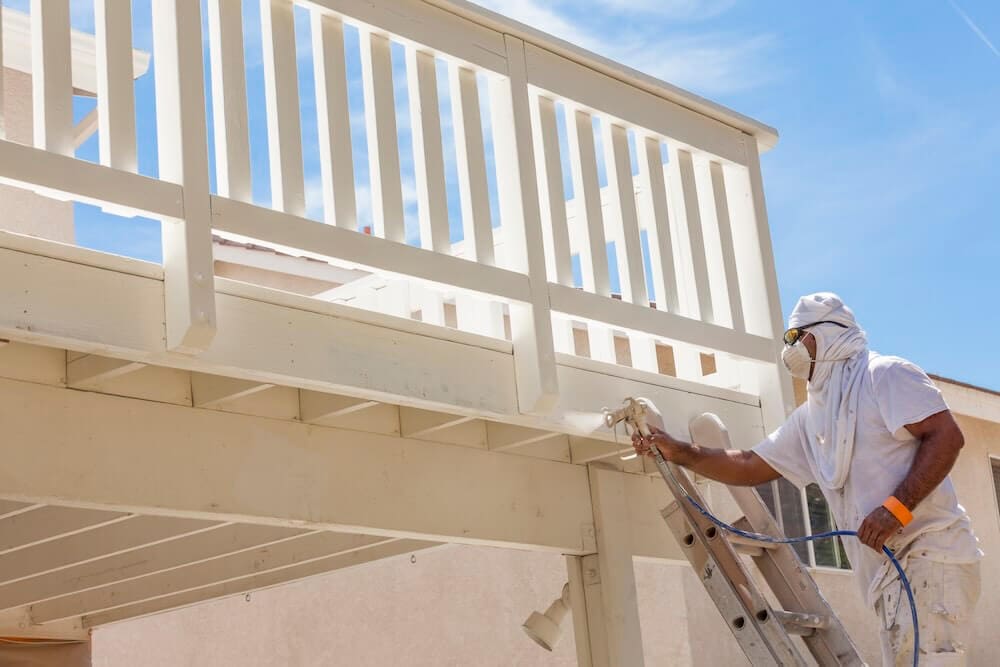
Professionals are trained in ladder safety, fall prevention, and efficient worksite setup. Hiring a licensed, insured crew helps protect both your property and your safety.
How Professionals Get It Right
Avoiding common exterior painting mistakes isn’t about luck—it’s about preparation, experience, and the right tools. Here’s how professional painters ensure your home looks great and stays protected for years to come.
Thorough Prep Work
A professional exterior paint job begins long before the first coat is applied. Prep includes washing surfaces, removing loose paint, sanding rough edges, filling gaps, and applying primer where needed. This attention to detail ensures that every layer of paint adheres properly and lasts longer, especially in tough outdoor conditions.
Pros don’t cut corners. Their goal is to create a solid foundation for a finish that not only looks good but performs well over time.
Product and Material Expertise
There’s no one-size-fits-all solution when it comes to exterior paint. Professionals know how to match the right paint to your home’s material—whether it’s wood, vinyl, brick, or stucco—and select finishes that resist fading, mildew, and cracking.
They also account for sun exposure, moisture levels, and local climate when choosing products, which means better durability and color retention.
Safe, Efficient Execution
Exterior painting isn’t just about getting a good finish—it’s also about working safely and efficiently. Professional crews come prepared with ladders, harnesses, protective gear, and the tools to reach every part of your home safely.
They also know how to work in clean, organized ways that minimize disruption to your home and schedule. From setup to cleanup, the process is smoother, safer, and less stressful when you hire a trained team.
Aftercare Tips to Maximize the Life of Your Paint Job
Once your exterior painting project is complete, keeping it looking great comes down to a little maintenance and seasonal awareness. Here are a few simple ways to extend the life of your paint and protect your investment long after the last coat dries.
Easy Maintenance for Homeowners
A few small actions throughout the year can go =a long way in preserving your home’s freshly painted exterior:
- Rinse your siding once or twice a year with a garden hose or gentle pressure washer to remove dirt, pollen, and mildew buildup.
- Keep gutters and downspouts clean to prevent water from streaking or collecting near painted surfaces.
- Trim trees, bushes, and vines that rub against siding or trap moisture, which can cause paint to blister or peel.
- Inspect regularly for signs of peeling, cracking, or fading—especially on areas with heavy sun exposure or around windows and doors.
These tasks take just a little effort, but they can help your exterior paint job last years longer, maintaining your home’s curb appeal and protecting it from weather damage.
Final Thoughts: Trust the Pros, Avoid the Headaches
Exterior painting is one of the most effective ways to improve your home’s appearance and protect it from the elements, but it’s also one of the easiest projects to get wrong without the right experience.
From prep and product selection to proper application and safety, the difference between a DIY job and professional results is night and day. Avoiding the most common exterior painting mistakes not only saves you time and money—it gives you peace of mind knowing the job was done right.
If your home’s exterior is looking weathered or outdated, trust a professional to guide you through the process and deliver a beautiful, lasting finish you’ll be proud of.
Thinking about updating your home’s exterior?
Contact our team today for a no-obligation consultation and discover the difference a professional finish makes.