
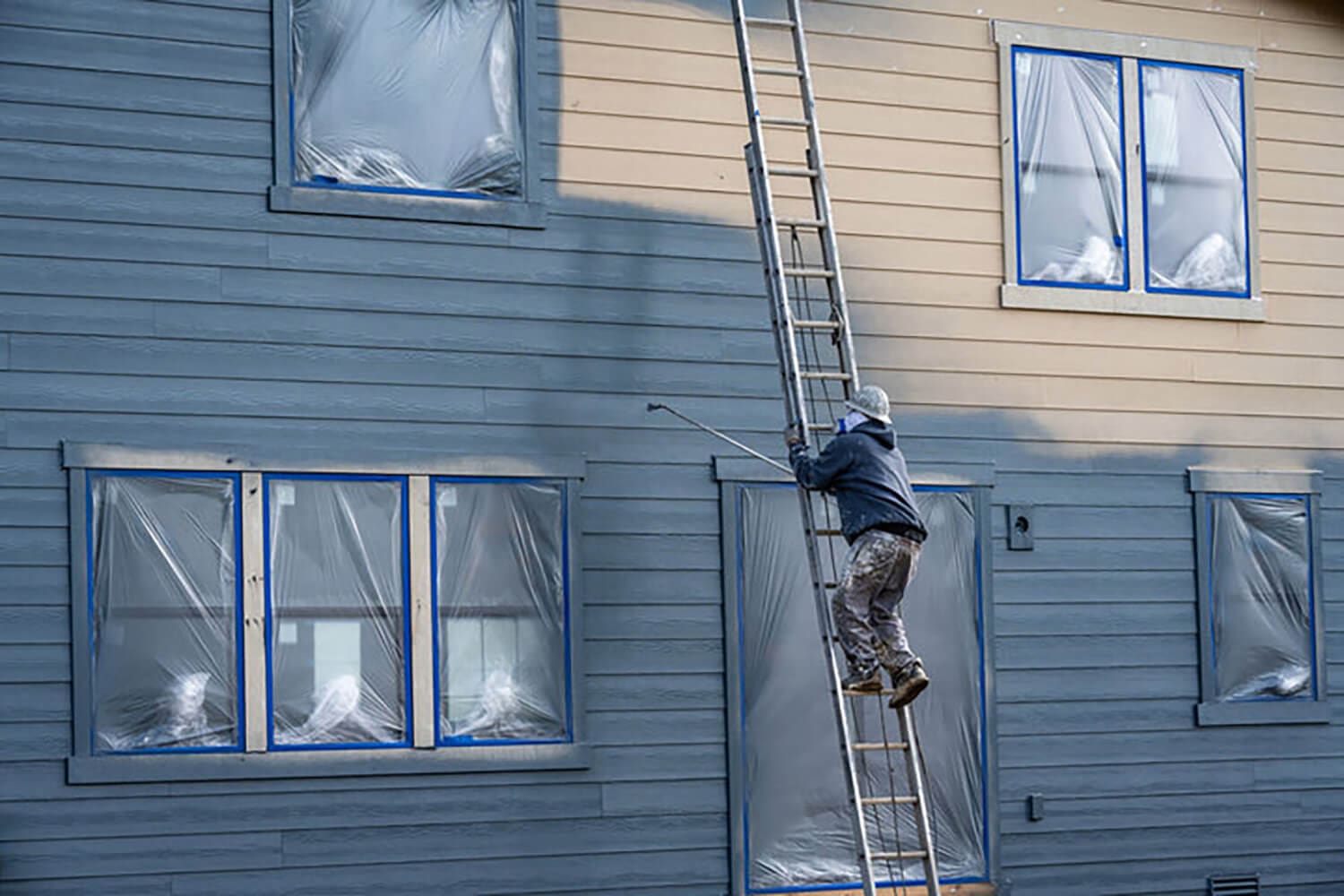
When Is the Best Time for Exterior Painting in Mount Carmel, IL?
Exterior paint doesn’t fail because of bad product choices or rushed brushwork alone — it fails because of bad timing. In a region like Mount Carmel, IL, where winters are hard, springs are unpredictable, and summer humidity can climb fast, knowing the best time for exterior painting is the difference between a finish that holds for years and one that starts peeling before the season is out.
The problem is that most general advice treats timing as an afterthought. Pick a nice day, get to work. But that approach ignores the specific conditions that make or break a paint job in the Midwest — temperature swings, moisture in the air and on the surface, and a climate window that’s genuinely shorter than most homeowners expect.
This post answers the question directly. You’ll learn which months are reliable in Mount Carmel, what conditions inside that window still matter, and what happens when painting gets pushed into the margins of the season. If you’re planning an exterior project, this is where to start.
The Best Time to Paint in Mount Carmel Is Late Spring Through Early Fall
The reliable window for exterior painting in Mount Carmel is May through September. That’s it. Five months out of twelve where the temperature, humidity, and overall conditions align well enough to give paint a real chance to adhere, cure, and last.
That window exists for a few connected reasons. Temperatures during those months stay consistently within the range paint manufacturers require for proper application. Humidity, while it can spike in summer, is generally manageable with the right scheduling. And the risk of frost — which can destroy a fresh paint job overnight — is off the table.
Mount Carmel’s location in the Wabash Valley shapes this window more than most homeowners realize. The region sits in a part of southern Illinois where winters arrive with force and early springs can look warm on the calendar while still delivering freezing overnight lows well into April — conditions that painters serving Mount Carmel factor into every project timeline. That combination pushes the reliable start of painting season later than homeowners in warmer climates might expect.
On the back end, fall arrives quickly. Temperatures in Mount Carmel can drop sharply through October, and once nighttime lows start flirting with the 40s, the window starts closing fast.
The May through September range isn’t arbitrary — it reflects the actual climate pattern of this area. Everything else in this post explains what to pay attention to within that window, and what happens when projects get pushed outside of it.
What Makes That Window Work — And What Can Still Go Wrong Inside It
Knowing the right months is a starting point, not a guarantee. Even within the May through September window, conditions on any given day or week can work against a paint job. Temperature, humidity, sun exposure, wind, and surface moisture all factor into whether the timing is actually right — and any one of them can cause problems if ignored.
Here is what painters and homeowners need to account for before work begins.
Temperature
Paint has a working range, and in most exterior formulas that range runs from about 50 degrees to 90 degrees Fahrenheit. Outside of that, the chemistry stops cooperating.
When it is too cold, paint struggles to bond to the surface. It cures slowly or incompletely, and the result is a finish that cracks, peels, or chalks long before it should. When it is too hot, the opposite happens. Paint dries too fast, leaving lap marks and increasing the risk of blistering.
The part homeowners often overlook is nighttime temperature. A warm afternoon reading does not tell the full story. If overnight lows are dropping below 50 degrees, a fresh coat applied that day is already at risk. The safe range has to hold through the night, not just during application hours.
Humidity and Moisture
Relative humidity between 40 and 70 percent is the target range for exterior painting. Inside that band, paint can release moisture at the right rate and cure evenly. Outside of it, the process breaks down.
High humidity is the more common problem in Mount Carmel, particularly through June and July. When humidity is elevated, paint holds onto moisture longer than it should. That trapped moisture creates pressure under the paint film, which leads to bubbling, peeling, and in some cases mold growth behind the surface.
There are also less obvious moisture sources that catch homeowners off guard:
- Painting within 24 hours of rainfall, even if the surface looks dry
- Morning dew on siding that has not fully evaporated
- Wet soil along the foundation that keeps lower sections of the wall damp longer than expected
None of these are visible problems. All of them affect how paint performs.
Sun Exposure and Wind
Wall orientation matters more than most people expect. A surface in direct sunlight on an 80 degree day can be significantly hotter than the air temperature. That heat accelerates drying in ways that create uneven finish, lap marks, and poor adhesion at the edges of each stroke.
Wind creates a similar problem from a different direction. It pulls moisture out of the paint faster than the formula is designed for, which disrupts curing and can introduce debris into a wet surface before it has a chance to set.
Rain timing also falls into this category. A minimum of 24 to 48 hours of dry weather after application is the baseline. Rain before full cure does not just affect appearance. It can compromise the bond entirely, requiring the work to be redone.
Surface Conditions
Before any paint goes on, the surface itself has to be ready. Siding, wood trim, and older materials hold moisture longer than they appear to, and painting over a damp surface is one of the most reliable ways to cause premature failure regardless of what the weather is doing.
The standard is not dry to the touch. It is fully dry throughout the material. That distinction matters most after a stretch of rain, after pressure washing, or early in the morning when dew has settled into wood grain or siding joints — and skipping this check is one of the most common exterior painting mistakes contractors see in the field. Surface moisture is also one of the key factors that shortens the lifespan of exterior paint — something worth understanding before any project begins.
What Happens When You Paint Outside the Reliable Window
May through September is the window, but not every month carries equal weight. Here is how the calendar breaks down for Mount Carmel:
- May: The window opens. Temps stabilize, overnight lows become predictable, and humidity is manageable.
- June through August: Peak season. Conditions are most reliable, but afternoon storms are common and heat spikes above 90 degrees can push temps outside the safe range. Scheduling around the forecast still matters.
- September: Still a solid option. Temps cool, humidity drops, and the forecast is often more stable than midsummer. Homeowners who miss the summer rush frequently find September cooperative.
- October: Risky. Daytime highs can still look reasonable, but overnight lows drop fast. Once nights are consistently in the low 40s, the window is effectively closed even if afternoons feel warm.
- November through April: Not viable. Frost, freeze events, and wide daily temperature swings make exterior painting impractical in this region.
Pushing outside the reliable window is not just a cosmetic risk. It is a paint job that fails ahead of schedule and has to be done again. That is an avoidable expense.
September is worth emphasizing because it is commonly underestimated. Homeowners who assume summer is the only option sometimes delay a project a full year when September would have worked. October is the real gamble — not impossible, but not the kind of margin most homeowners want to rely on for a significant exterior project.
Good Timing Is the Foundation of a Paint Job That Lasts
Exterior painting is a significant investment, and the conditions under which it happens determine how long that investment holds up. The right product and skilled application matter, but neither one overcomes a job started in the wrong month or on the wrong day within an otherwise good month.
The May through September window exists because Mount Carmel’s climate makes it the most reliable stretch of the year. Temperatures stay within range, humidity is workable, and the risk of frost or freeze is gone. Within that window, a contractor who understands local weather patterns, surface behavior, and how to read a forecast is the difference between a paint job that lasts a decade and one that starts showing problems in year two or three.
Dillinger Painting works in this climate every season. That means scheduling projects around the conditions that actually produce durable results, not just the first available date on the calendar.
Peak season fills up earlier than most homeowners expect. The best way to get your project scheduled inside the right window is to reach out before that window opens. If your home needs exterior painting this year, now is the time to get on the schedule. We work with homeowners across Mount Carmel, IL, Princeton, IN, Evansville, IN, and the wider Southern Illinois and Southwestern Indiana area.
Contact us today to talk through your project, get a timeline that works for your home, and make sure the job gets done when conditions are right.